


When industrial equipment operates in harsh working environments, ordinary mechanical castings often face premature failure, dimensional deformation, surface peeling and frequent replacement problems. Many enterprises only focus on unit price when purchasing components, ignoring material density, casting precision and structural durability, which leads to higher overall maintenance costs and interrupted production schedules. Long-term unstable operation of matching parts will also accelerate the wear of the whole machine, shortening the comprehensive service life of complete equipment greatly. Selecting qualified and reliable aluminum alloy die casting components can fundamentally solve these hidden troubles and stabilize continuous production efficiency.
Most buyers misunderstand that all aluminum die castings have identical performance indicators. In fact, alloy ratio, smelting process, pressure casting parameters and post-treatment technology directly determine compressive strength, thermal stability and sealing performance. Low-quality castings contain internal pores, shrinkage cavities and tiny cracks that cannot be seen by naked eyes. These defects will gradually expand under vibration, high temperature and load pressure, causing air leakage, oil leakage and mechanical breakdown suddenly. Professional customized die casting products strictly control each production procedure to eliminate internal structural defects from the source.
Different application scenarios put completely different requirements on aluminum die casting accessories. Automotive chassis parts need excellent shock resistance and fatigue resistance, communication housing parts demand high dimensional accuracy and electromagnetic shielding effect, and power equipment components must adapt to long-term high-temperature working conditions. Blindly using universal standard castings cannot match actual working conditions, resulting in unnecessary waste and safety risks. Mature manufacturers will adjust material formula and molding structure according to industry characteristics and equipment parameters.
Surface treatment quality directly affects the service cycle and environmental adaptability of die castings. Unqualified anodizing, painting and passivation treatment will cause rapid rust, oxidation and color fading in humid, corrosive or outdoor environments. Fine surface treatment not only improves aesthetics, but also forms a dense protective layer against acid, alkali, moisture and friction damage. Standard finished products pass strict salt spray resistance and wear resistance tests before leaving the factory.
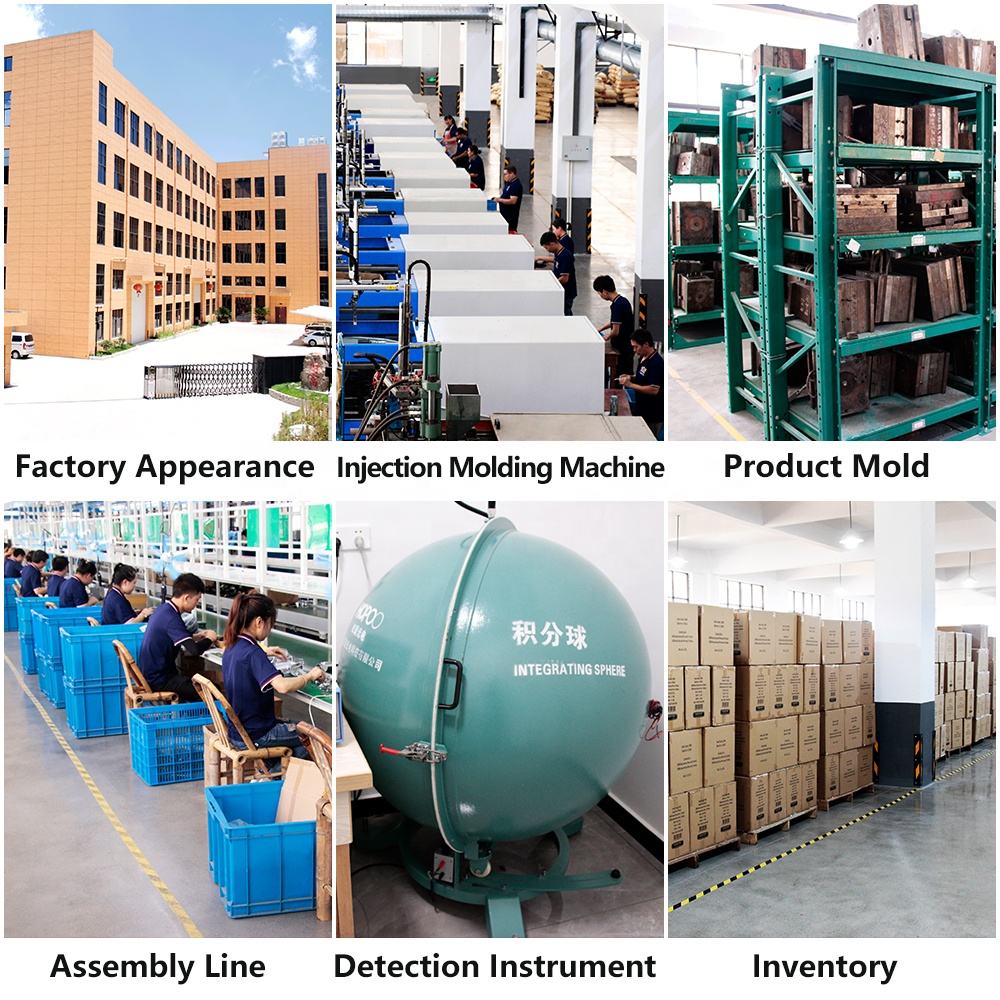
Professional aluminum casting enterprise masters integrated production technology from mold opening, die casting, CNC precision machining to polishing and surface finishing. Independent mold development ability avoids product size deviation caused by public molds, and batch production maintains extremely high consistency. Stable supply capacity also meets urgent bulk orders and customized small-batch trial production needs of downstream manufacturing industries.
Core Performance Comparison Of Common Aluminum Die Casting Materials
| Material Grade | Tensile Strength | High Temperature Resistance | Corrosion Resistance | Wear Resistance |
|---|